Why Container Gardening Works
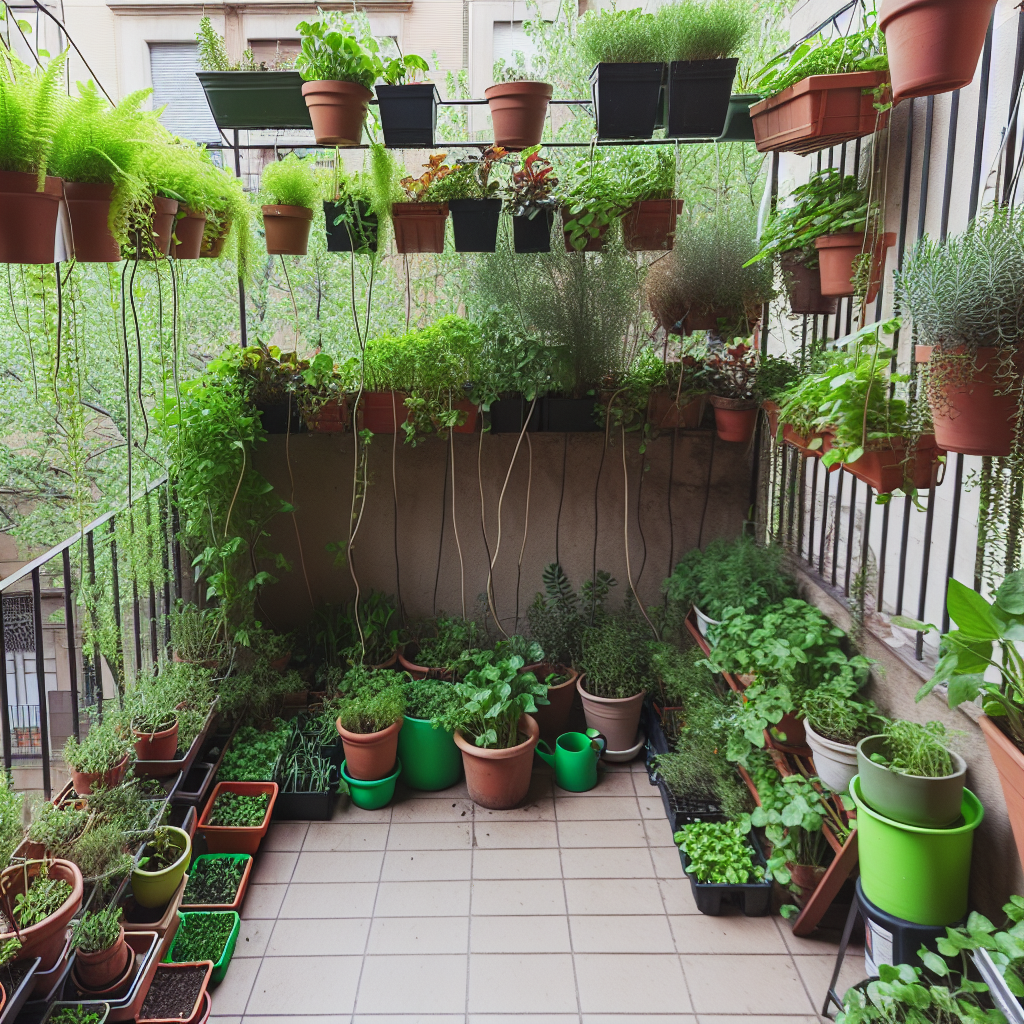
Container gardening offers unique advantages for balconies and patios. You control soil quality completely, can rearrange your garden easily, and protect plants from ground pests. Containers also warm faster in spring and can be moved to optimize sun exposure.
Success comes from understanding how container growing differs from traditional gardening and adapting your approach accordingly.
Choosing the Right Containers
Container Size Guidelines
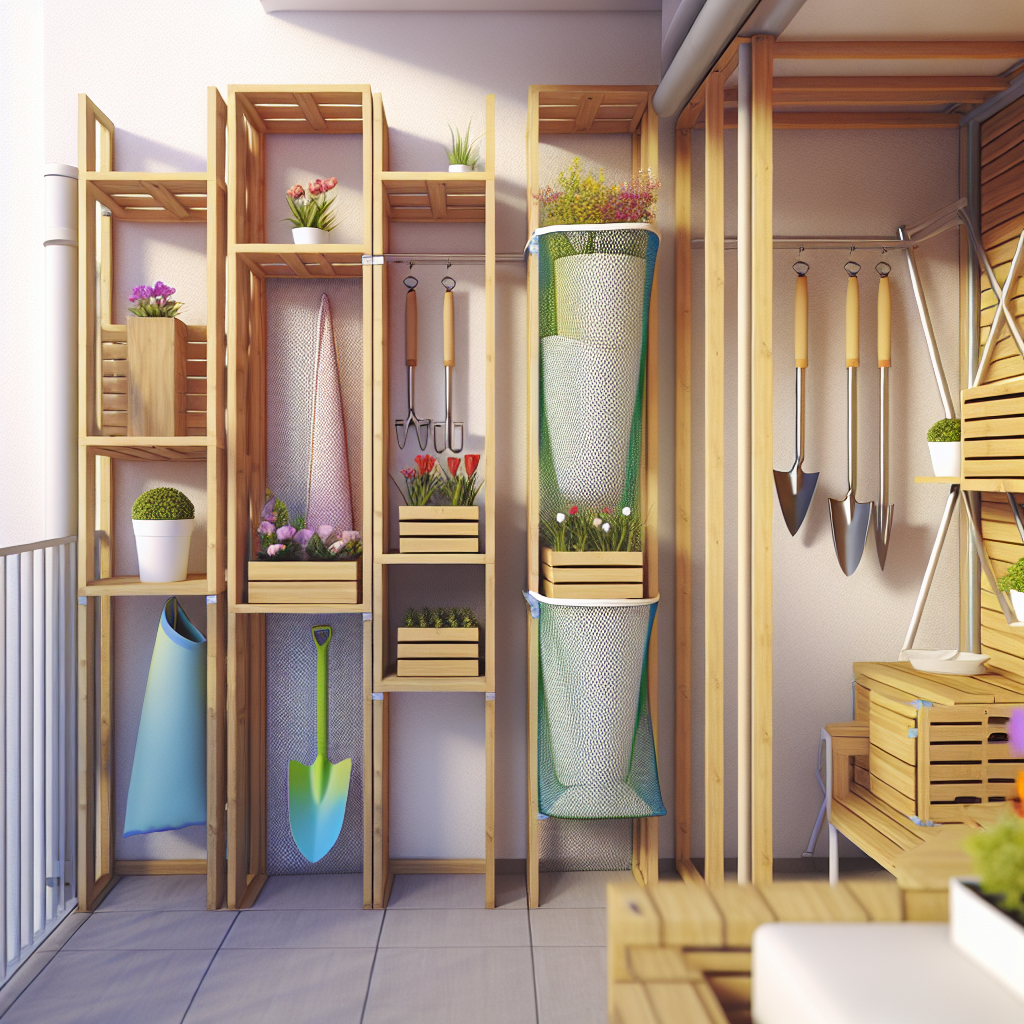
Size matters significantly in container gardening. Too small, and plants become root-bound and require constant watering. Too large wastes space and soil.
- Herbs: 6-8 inch pots for individual plants, 12-14 inches for multiple varieties
- Lettuce & Greens: 6-8 inches deep, any width
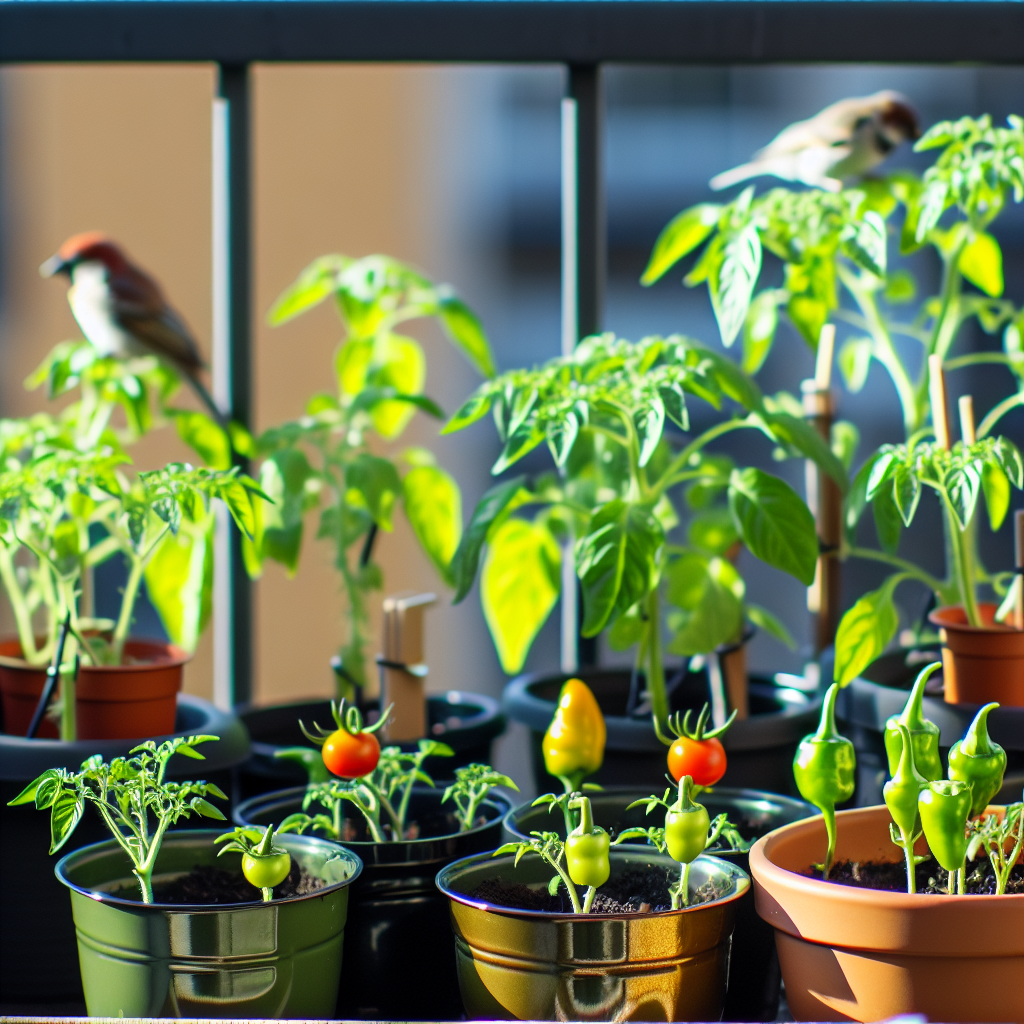
- Tomatoes: 5-gallon minimum (14-16 inches), larger for indeterminate varieties
- Peppers: 3-5 gallon containers (12-14 inches)
- Flowers (annuals): 8-12 inches for most varieties
- Small Trees/Shrubs: 15-20 gallon minimum (18-24 inches)
Material Matters
Different materials offer distinct advantages:
- Terracotta/Clay: Beautiful, breathable, but dries quickly. Best for drought-tolerant plants or if you're home daily to water.
- Plastic: Lightweight, retains moisture well, affordable. Excellent for most situations, especially if you travel occasionally.
- Glazed Ceramic: Attractive, retains moisture like plastic but heavier. Good for permanent placements.
- Metal: Stylish but heats up significantly in sun. Use with caution or double-pot plants.
- Wood: Natural look, insulates roots well. Eventually deteriorates but can last several years with proper treatment.
- Fabric Pots: Excellent air pruning of roots, prevents overwatering, lightweight. Less attractive but highly functional.
Drainage is Essential
Every container must have drainage holes. Without them, roots suffocate and rot. If you fall in love with a container lacking drainage:
- Drill holes yourself (works for most materials)
- Use as a decorative outer pot with a drainage-equipped pot inside
- Add a thick drainage layer and water very carefully (difficult, not recommended)
Soil for Containers
Never use garden soil in containers. It compacts, drains poorly, and may contain pests or diseases. Instead, use quality potting mix designed for containers.
What Makes Good Potting Mix
Quality container soil should:
- Drain well while retaining moisture
- Be lightweight when dry
- Contain organic matter for nutrients
- Not compact over time
Look for mixes containing peat moss or coconut coir, perlite or vermiculite, and compost. Many premium mixes include slow-release fertilizer.
DIY Potting Mix Recipe
Make your own quality mix:
- 2 parts peat moss or coconut coir
- 1 part perlite or vermiculite
- 1 part compost
- Optional: slow-release fertilizer per package directions
Planting Your Containers
Step-by-Step Planting
- Prepare container: Ensure drainage holes are clear. Cover with coffee filter or newspaper to prevent soil loss.
- Add soil: Fill container 2/3 full with moistened potting mix.
- Remove plant: Gently remove plant from nursery pot. Loosen compacted roots.
- Position plant: Set so crown (where stem meets soil) is 1 inch below container rim.
- Fill around plant: Add soil around root ball, firming gently. Leave 1 inch below rim for watering.
- Water thoroughly: Water until it drains from bottom holes.
- Add mulch: Optional but helpful—add 1 inch of mulch to retain moisture.
Companion Planting in Containers
Maximize space and create beautiful combinations by planting multiple species together:
- Herbs Together: Basil, parsley, and chives thrive in one container
- Three-Layer Planting: Tall center plant (tomato or pepper), mid-height around edges (marigolds), trailing at rim (sweet alyssum)
- Salad Bowl: Combine different lettuce varieties, radishes, and herbs in one large container
- Pollinator Garden: Mix flowering plants with different heights and bloom times
Container Garden Maintenance
Watering Containers
Container plants require more frequent watering than garden beds. Factors affecting water needs:
- Container size (smaller dries faster)
- Material (terracotta dries faster than plastic)
- Weather (hot, windy days increase needs)
- Plant type and size
- Season (summer needs > winter needs)
Best Practice: Check soil moisture daily during growing season. Water when top 2 inches are dry. Water thoroughly until it drains from bottom—surface watering leads to shallow roots.
Feeding Container Plants
Container plants exhaust nutrients quickly because they can't access surrounding soil. Regular feeding is essential:
- Start with potting mix containing slow-release fertilizer, or add at planting
- Supplement with liquid fertilizer every 2-4 weeks during growing season
- Use half-strength fertilizer more frequently rather than full-strength less often
- Reduce feeding in fall, stop in winter
End-of-Season Care
When plants finish producing:
- Remove dead annuals completely
- Cut back perennials to 2-3 inches
- Refresh soil before replanting (remove top 1/3, add fresh mix)
- Clean containers with soap and water between plantings
- Replace soil completely every 2-3 years
Solving Common Container Problems
Plants Dry Out Too Quickly
Solutions:
- Move to larger containers
- Switch to plastic or glazed pots
- Add water-retention crystals to soil
- Mulch soil surface
- Group containers together
- Install drip irrigation or self-watering systems
Poor Growth Despite Care
Check for:
- Root-bound plants (repot to larger container)
- Nutrient deficiency (increase fertilization)
- Compacted soil (refresh or replace)
- Insufficient light (move to brighter location)
- Wrong plant for conditions (replace with suitable variety)
White Crust on Soil or Pot
This is salt buildup from fertilizer and minerals in water.
Solutions:
- Scrape off crusty layer
- Flush soil monthly with extra water
- Use rainwater when possible
- Repot with fresh soil if severe
Maximizing Your Container Garden
Vertical Growing
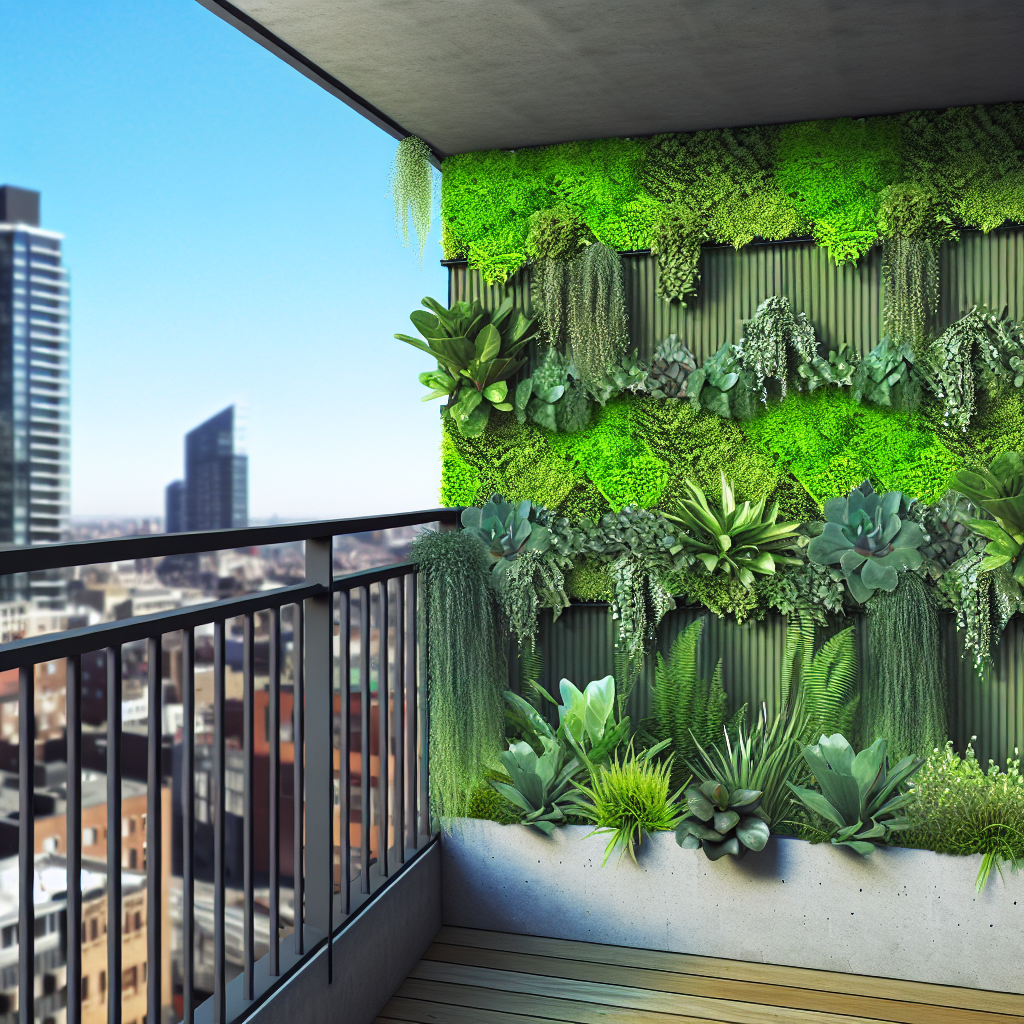
Expand capacity without using more floor space:
- Wall-mounted planters
- Tiered plant stands
- Hanging baskets
- Railing planters
- Vertical towers or columns
- Trellis-mounted containers
Succession Planting
Keep containers productive by replanting as seasons change:
- Spring: Lettuce, peas, radishes
- Early Summer: Tomatoes, peppers, herbs
- Late Summer: Fall lettuce, kale, chard
- Fall: Mums, pansies, ornamental cabbage
- Winter: Evergreens, winter berries (in mild climates)
With proper container selection, quality soil, and consistent care, your container garden can be as productive and beautiful as any traditional garden—all within your balcony or patio space.