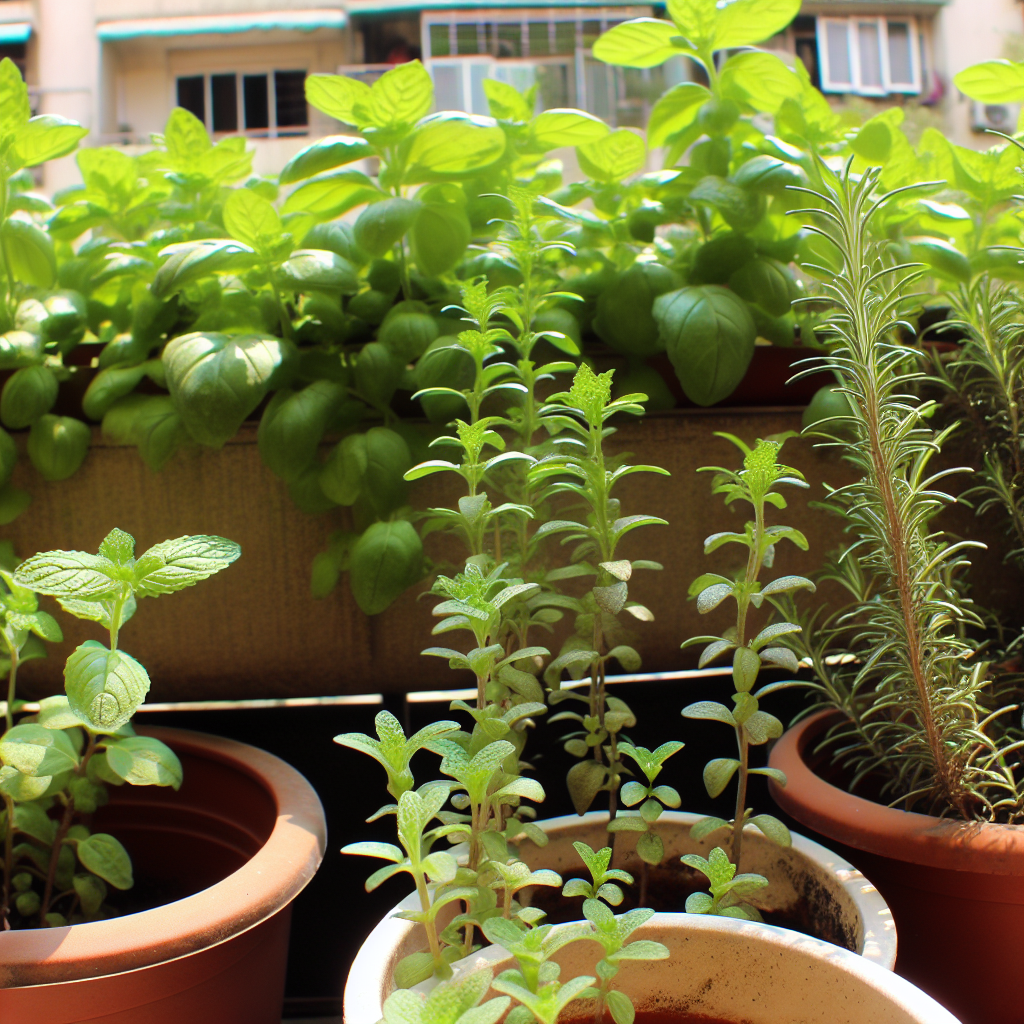
Why Grow Herbs on Your Balcony
Herbs are perfect for balcony gardening. They're compact, productive, forgiving of beginner mistakes, and provide immediate culinary rewards. Fresh herbs elevate everyday cooking while costing a fraction of store prices. Plus, many herbs are attractive plants that double as decoration.
A simple herb garden can transform both your outdoor space and your kitchen, providing fresh flavor just steps from your stove.
Best Herbs for Balconies
Not all herbs suit container growing equally well. These varieties thrive in pots and provide excellent yields in small spaces:
🌿 Basil
Light: 6+ hours sun
Water: Keep moist, never dry
Uses: Italian dishes, pesto, salads
Tip: Pinch flowers to encourage leaf growth
🌿 Mint
Light: Partial sun to shade
Water: Keep evenly moist
Uses: Teas, mojitos, desserts
Tip: Very vigorous; keep in separate container
🌿 Parsley
Light: Partial sun (4-6 hours)
Water: Regular, consistent
Uses: Garnish, tabbouleh, sauces
Tip: Harvest outer leaves first
🌿 Chives
Light: 4-6 hours sun
Water: Moderate, drought-tolerant
Uses: Garnish, baked potatoes, eggs
Tip: Cut to 2 inches; regrows quickly
🌿 Rosemary
Light: 6+ hours sun
Water: Let dry between watering
Uses: Roasted meats, potatoes, bread
Tip: Woody herb; prune regularly
🌿 Thyme
Light: 6+ hours sun
Water: Drought-tolerant once established
Uses: Soups, stews, roasts
Tip: Harvest sprigs as needed
🌿 Cilantro
Light: 4-6 hours sun
Water: Keep moist
Uses: Mexican, Asian, Middle Eastern
Tip: Bolts in heat; plant succession crops
🌿 Oregano
Light: 6+ hours sun
Water: Let dry slightly between watering
Uses: Pizza, pasta, Greek dishes
Tip: Spreads vigorously; trim often
Setting Up Your Herb Garden
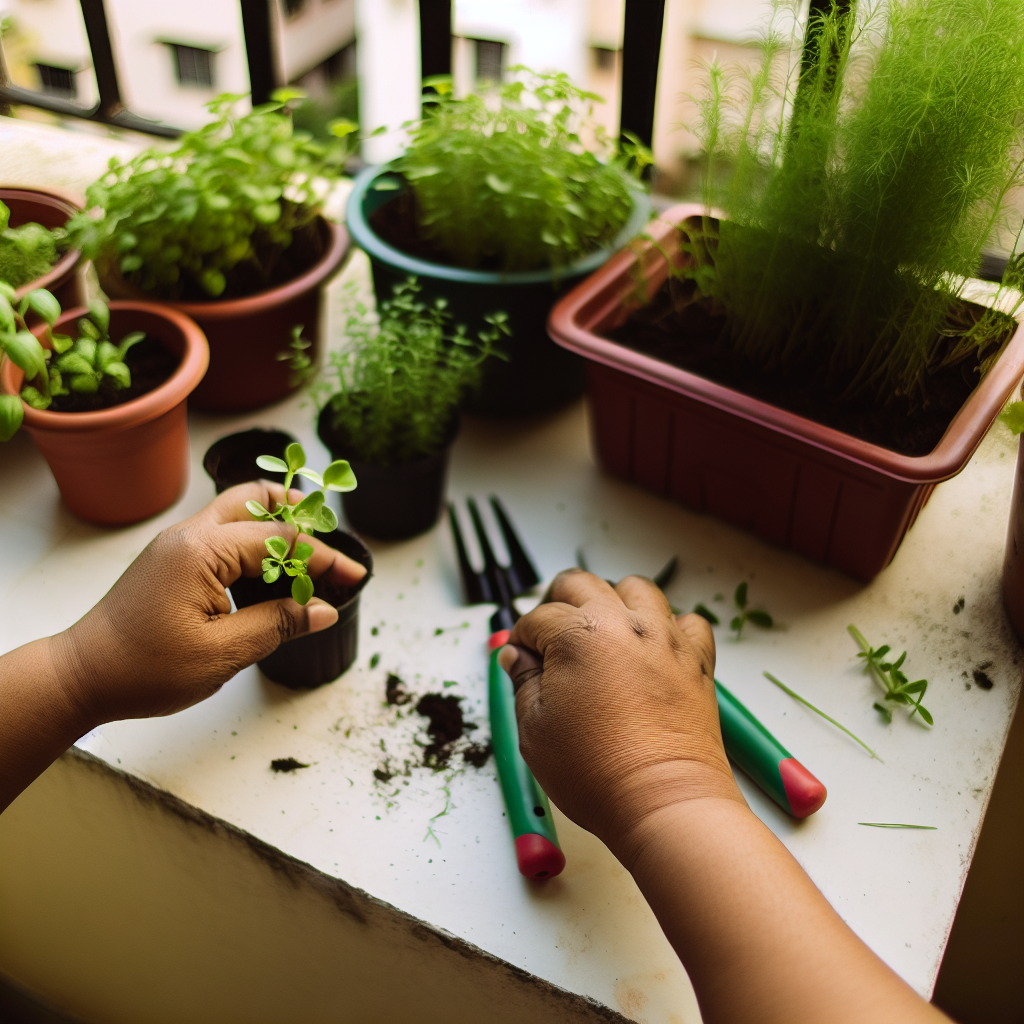
Container Selection
Most herbs do well in 6-8 inch pots individually, or 12-14 inch containers for multiple varieties. Ensure good drainage—herbs generally dislike wet feet.
Smart Combinations:
- Mediterranean Mix: Rosemary, thyme, oregano (similar care needs)
- Italian Garden: Basil, parsley, oregano
- Tea Garden: Mint, lemon balm, chamomile (keep mint separate!)
- Salad Bowl: Chives, parsley, dill
Soil and Planting
Use well-draining potting mix. Herbs prefer lean soil—too-rich soil produces less flavorful leaves. You can mix regular potting soil with perlite (2:1 ratio) for excellent drainage.
Planting Steps:
- Fill container with moistened potting mix
- Remove herb from nursery pot, loosen roots gently
- Plant at same depth as in nursery pot
- Fill around plant, firm soil gently
- Water thoroughly
- Place in appropriate light location
Location Matters
Most culinary herbs prefer full sun (6+ hours daily). If your balcony lacks full sun, focus on partial-shade herbs like mint, parsley, chives, and cilantro.
Place herb containers convenient to your kitchen door. If herbs are far away or hard to reach, you won't use them. Accessibility encourages regular harvesting, which keeps plants productive.
Herb Care Essentials
Watering
Herbs vary in water needs:
- Moisture-lovers (keep soil moist): Basil, mint, parsley, cilantro, chives
- Moderate (let top inch dry): Tarragon, dill, fennel
- Drought-tolerant (let dry between watering): Rosemary, thyme, oregano, sage, lavender
Always check soil before watering. Overwatering kills more herbs than underwatering.
Feeding
Herbs in containers need regular feeding, but don't overdo it—too much fertilizer produces leafy but flavorless plants.
Apply liquid fertilizer at half-strength every 3-4 weeks during growing season. Or use slow-release granular fertilizer at planting and mid-season.
Pruning and Harvesting
Regular harvesting keeps herbs productive and prevents flowering (which reduces leaf production).
General Guidelines:
- Never remove more than 1/3 of plant at once
- Harvest in morning after dew dries for best flavor
- Cut just above leaf nodes to encourage branching
- Remove flower buds on basil, cilantro, and parsley immediately
- For woody herbs (rosemary, thyme), harvest sprigs as needed
Year-Round Herb Growing
Summer Care
Hot weather challenges:
- Water more frequently—possibly twice daily in extreme heat
- Provide afternoon shade if temperatures exceed 90°F regularly
- Cilantro bolts quickly in heat—plant every 2-3 weeks for continuous harvest
- Basil thrives but check daily for adequate moisture
Winter Strategies
Options for cold climates:
Bring Indoors: Basil, rosemary, and other tender herbs move inside easily. Place near bright window or under grow lights. Reduce watering as growth slows.
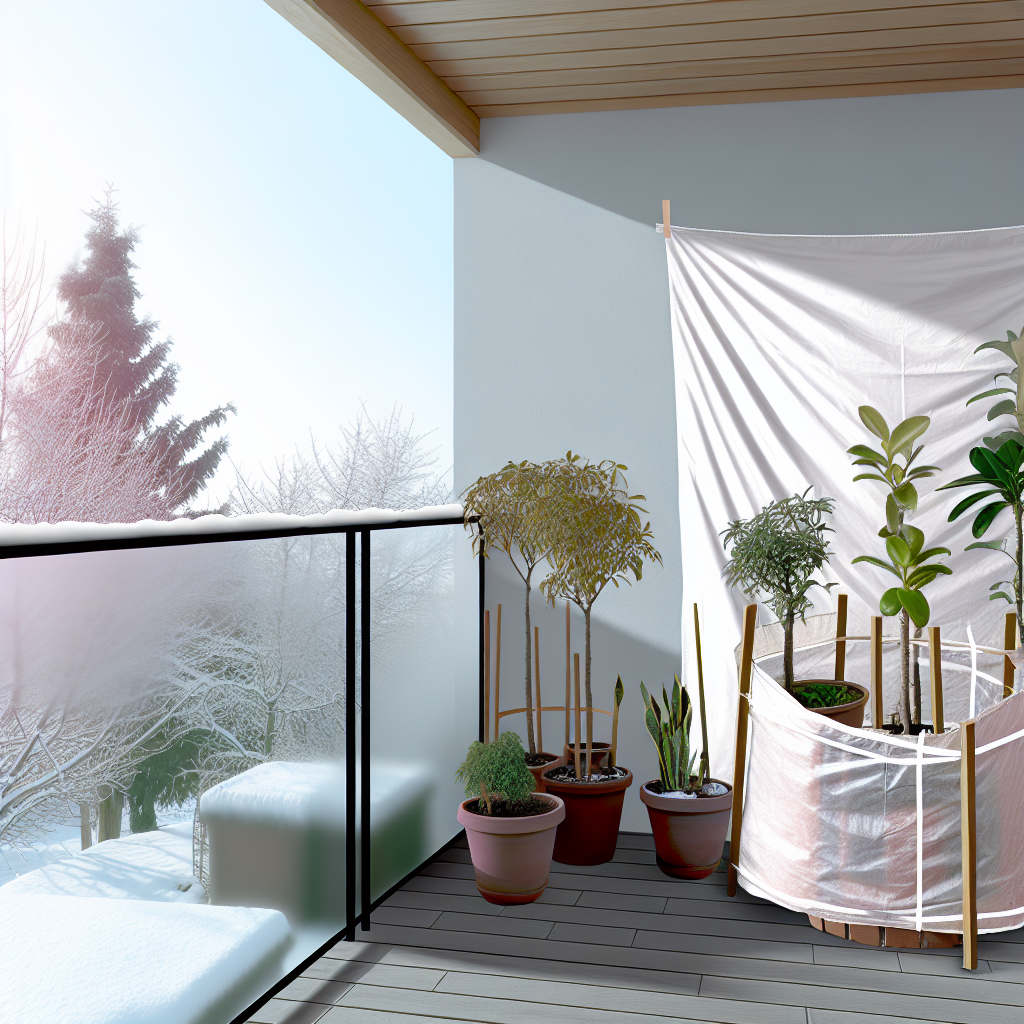
Protect Outdoors: Hardy herbs (thyme, sage, chives) survive winter outdoors in many climates. Group containers together, move to sheltered location, mulch soil surface.
Accept Seasonality: Let annuals (basil, cilantro, dill) end their cycle. Start fresh in spring. Focus on hardy perennials for winter.
Preserving Your Harvest
Abundant harvests call for preservation:
Drying
Best for: Rosemary, thyme, oregano, sage
- Hang small bundles upside down in warm, dry location
- Or spread on screens in single layer
- Takes 1-2 weeks
- Store dried herbs in airtight containers away from light
Freezing
Best for: Basil, parsley, cilantro, dill, chives
- Chop herbs finely
- Pack into ice cube trays
- Cover with water or olive oil
- Freeze, then transfer cubes to freezer bags
- Use frozen cubes directly in cooking
Making Pesto
Excellent for preserving large basil harvests:
- Blend basil with olive oil, garlic, nuts, and cheese
- Freeze in small containers
- Lasts 6+ months frozen
- Thaw portions as needed
Troubleshooting Herb Problems
Yellowing Leaves
Causes: Overwatering, underfeeding, or natural aging
Solutions: Adjust watering, apply fertilizer, remove old yellow leaves
Leggy Growth
Causes: Insufficient light or lack of pruning
Solutions: Move to brighter location, harvest/prune more frequently
Wilting Despite Moist Soil
Causes: Root rot from poor drainage
Solutions: Check drainage holes, let soil dry, repot if necessary
Bitter or Weak Flavor
Causes: Too much fertilizer, flowering, harvesting at wrong time
Solutions: Reduce feeding, remove flowers, harvest in morning
Getting Started
Don't overwhelm yourself. Start with 3-5 herbs you actually use in cooking. A few thriving plants provide more value than many struggling ones. As you gain confidence, expand your herb garden seasonally.
The difference between dried store herbs and fresh-cut herbs from your balcony will revolutionize your cooking. That alone makes a small herb garden one of the most rewarding balcony projects.